

AMARILLO, TX – A federal appellate ruling is making waves in the federal Telephone Consumer Protection Act (TCPA) space.
On July 14, 2026, in Steidinger v. Blackstone Medical Services, No. 25-2398, the Seventh Circuit U.S. Court of Appeals found that text messages do not meet the definition of “telephone calls” under the TCPA. This ruling applies to Section 227(c) of the TCPA, which governs the national Do-Not-Call framework and the associated private right of action.
The decision limits consumers’ ability to bring private lawsuits for unwanted marketing texts under that provision. But the court emphasized in the decision that it does not eliminate regulation of text messaging under the TCPA.
Under the TCPA, individuals may sue when they receive repeated unwanted telephone calls in violation of Do-Not-Call rules. The Seventh Circuit concluded that this private right of action only applies to traditional voice calls, not to text messages. The court did not find that text messages fall entirely outside the TCPA, only that this specific avenue for private enforcement is unavailable when conduct involves text messages rather than calls. The court pointed towards agency action under other provisions of Section 277.

 The court focused on the law’s meaning at the time of enactment and statutory interpretation. Congress passed the TCPA in 1991, when the ordinary understanding of a “telephone call” only involved voice communication. Since text messaging did not exist at the time the TCPA was passed, the court determined that it does not fall within the scope of that term. The court emphasized that judges must apply the statute as written and should not expand their reach to account for technological developments that Congress did not address.
Due to this decision, plaintiffs located in the jurisdiction of the Seventh Circuit cannot use Section 227(c)(5) to pursue claims based on marketing text messages. This limits one of the most frequently used tools in TCPA class action litigation. However, it should not be interpreted as a broad safe harbor for text messaging practices.
For DME suppliers, this development is important because text messaging is frequently used to communicate with patients about delivery updates, appointment reminders, and resupply programs. Marketing campaigns also frequently use text messaging, which can lead to exposure under the TCPA.
This decision emphasizes the importance of maintaining comprehensive compliance practices. DME suppliers should continue to obtain and document appropriate consent for text communications, monitor both federal and state regulatory developments, and regularly reassess their litigation risk considering evolving case law.
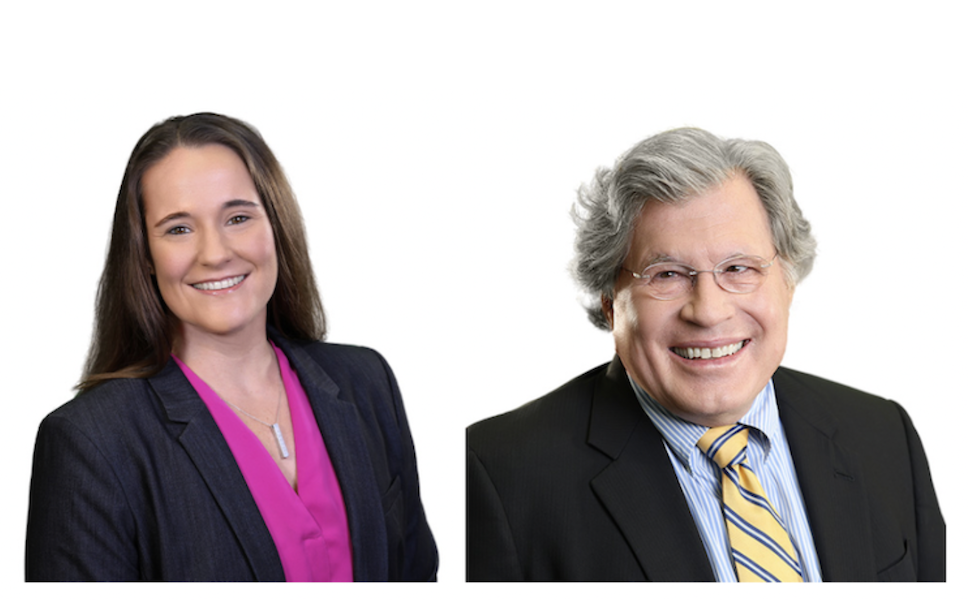
Jeffrey S. Baird, Esq., is Chairman of the Health Care Group at Brown & Fortunato, PC, a law firm based in Texas with a national healthcare practice. He represents pharmacies, infusion companies, HME companies, manufacturers, and other healthcare providers throughout the United States. Mr. Baird is Board Certified in Health Law by the Texas Board of Legal Specialization and can be reached at (806) 345-6320 or [email protected].
Jacque K. Steelman, Esq., is a member of the Health Care Group at Brown & Fortunato, PC, a law firm with a national healthcare practice based in Texas. She represents pharmacies, infusion companies, HME companies, manufacturers, and other healthcare providers throughout the United States. Ms. Steelman can be reached at (972) 684-5789 or [email protected].