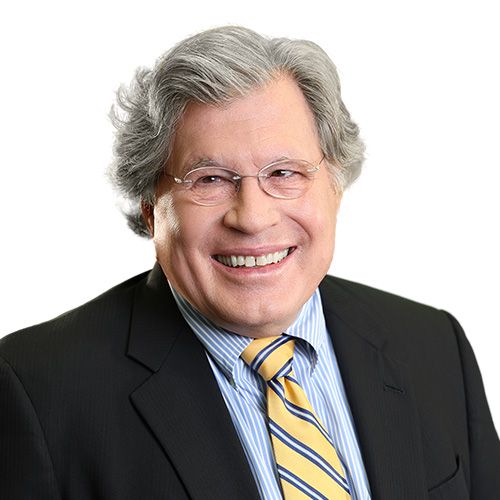
Jeffrey Baird
Attorney/ShareholderBrown & FortunatoJeffrey S. Baird, Esq., is Chairman of the Health Care Group at Brown & Fortunato, a law firm with a national health care practice based in Texas. He represents pharmacies, infusion companies, HME companies, manufacturers, and other health care providers throughout the United States. Mr. Baird is Board Certified in Health Law by the Texas Board of Legal Specialization and can be reached at (806) 345-6320 or [email protected].
Centralized Intake, Hub & Spoke, Offshore Subcontracting and Other Tools
The DME industry today is much more complicated, and more fast flowing, than the industry was 20 years ago. With the aging Baby Boomers, demand for DM
…The DME industry today is much more complicated, and more fast flowing, than the industry was 20 years ago. With the aging Baby Boomers, demand for DME is increasing. Counterbalanced against this are the evolution of technology (think AI), expansion
…The DME industry today is much more complicated, and more fast flowing, than the industry was 20 years ago. With the aging Baby Boomers, demand for DME is increasing. Counterbalanced against this are the evolution of technology (think AI), expansion of managed care, decrease in reimbursement, and aggressive audits. To succeed in this environment, DME suppliers must think outside the box and adopt a business model that increases efficiency…and the
…The DME industry today is much more complicated, and more fast flowing, than the industry was 20 years ago. With the aging Baby Boomers, demand for DME is increasing. Counterbalanced against this are the evolution of technology (think AI), expansion of managed care, decrease in reimbursement, and aggressive audits. To succeed in this environment, DME suppliers must think outside the box and adopt a business model that increases efficiency…and the resultant reduction in costs. This program will discuss the multiple tools at the DME supplier’s disposal, including (i) implementing central intake, (ii) adopting the hub and spoke model, (iii) utilization of offshore subcontractors, (iv) use of AI, and (v) entering into legally compliant telehealth arrangements.
Show MoreClick the title to see all detailsShow More

Online Referral Programs, Telehealth, and Other OIG Hot Topics
The Trump II Administration is active in terms of regulating…and placing restrictions on…DME suppliers. Prime examples of these are OIG advisory opini
…The Trump II Administration is active in terms of regulating…and placing restrictions on…DME suppliers. Prime examples of these are OIG advisory opinions, fraud alerts, advisory bulletins and other written guidance. This program will discuss the most
…The Trump II Administration is active in terms of regulating…and placing restrictions on…DME suppliers. Prime examples of these are OIG advisory opinions, fraud alerts, advisory bulletins and other written guidance. This program will discuss the most recent OIG guidance on issues vitally important to DME suppliers, including (i) subscribing to online referral programs, (ii) working with telehealth companies, (iii) joint ventures and other contrac
…The Trump II Administration is active in terms of regulating…and placing restrictions on…DME suppliers. Prime examples of these are OIG advisory opinions, fraud alerts, advisory bulletins and other written guidance. This program will discuss the most recent OIG guidance on issues vitally important to DME suppliers, including (i) subscribing to online referral programs, (ii) working with telehealth companies, (iii) joint ventures and other contracts with hospitals, long-term care facilities, and other referral sources, (iv) implementation of marketing programs, and (v) strategic relationships with physicians. Importantly, in light of OIG guidance, this program will discuss how arrangements and programs can be properly structured…and those that lead to a risk of an OIG enforcement action.
Show MoreClick the title to see all detailsShow More
Patient-Forward Retail for Covered DME Products
Retail DME is not just a cash register at the front of the store. It is a patient-forward business model for real people caught between medical need a
…Retail DME is not just a cash register at the front of the store. It is a patient-forward business model for real people caught between medical need and payer limitations.
As out-of-pocket costs rise, insured patients are making more cash-pay decisio
…Retail DME is not just a cash register at the front of the store. It is a patient-forward business model for real people caught between medical need and payer limitations.
As out-of-pocket costs rise, insured patients are making more cash-pay decisions for covered DME. This session explores how suppliers can meet that moment with a retail strategy that complements the insurance model instead of competing with it.
Join Jeffrey Baird (Brown & F
…Retail DME is not just a cash register at the front of the store. It is a patient-forward business model for real people caught between medical need and payer limitations.
As out-of-pocket costs rise, insured patients are making more cash-pay decisions for covered DME. This session explores how suppliers can meet that moment with a retail strategy that complements the insurance model instead of competing with it.
Join Jeffrey Baird (Brown & Fortunato), Andrea Stark (MiraVista), and moderator Derrick Stark for a practical discussion on how to structure the retail model, communicate clearly with insured patients, and manage the insurance rules that still follow the transaction.
In this session, attendees learn to:
- Identify retail opportunities created by rising deductibles, coinsurance, and patient out-of-pocket responsibility for covered DME.
- Design a separate retail strategy that complements, rather than conflicts with, the traditional insurance-based DME model.
- Apply the patient notices, prescription rules, licensure requirements, and other safeguards that keep cash-pay transactions with insured patients compliant.