

BOCA RATON, FL – CMS announced key dates for Round 2028 of competitive bidding last week, but officials at Mobility City will not be marking their calendars. The Florida-based franchise is up to 70 locations nationwide, all with a mostly cash-based retail mindset. They do not deal with Medicare, Medicaid, or insurance.
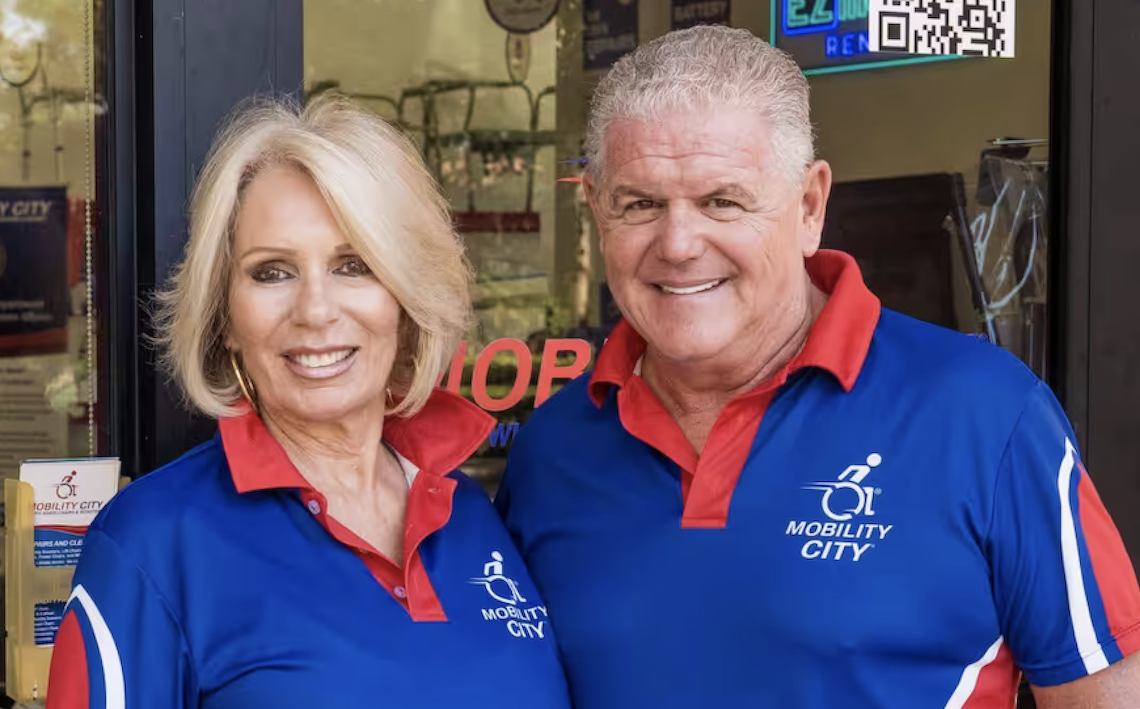
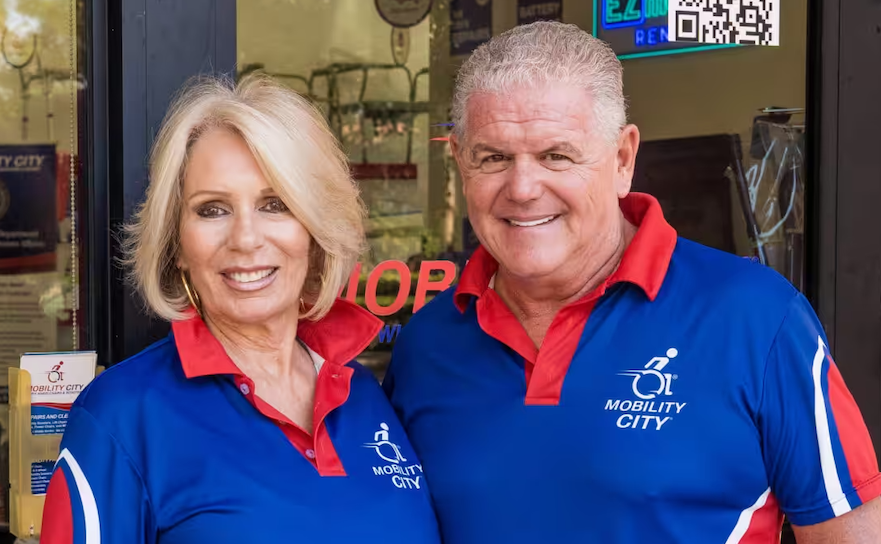
In addition to cash, patients can use health savings accounts and flexible spending accounts. For financing and credit, Mobility City partners with Acima for lease-to-own programs, while also accepting CareCredit cards and standard credit cards.
The consensus among many experts is that retail has grown within the HME world, but not as fast as many expected. The main reason is tradition. The HME industry was built on reimbursement, not consumer retail, and many patients expect their equipment to be covered by Medicare.

It’s been nearly a decade since Mobility City launched its franchise system, and franchisees have embraced the retail mindset, all while customers adjusted their own expectations. “Medicare has changed so much that much of the equipment that we sell in this store isn’t even covered by Medicare anymore,” Baratta says. “You must be in a really bad situation for Medicare to cover this equipment, meaning you can’t really even take a step. That’s usually not our customer. As an example, some people can get around the house, but may need a scooter to go out and get the mail.”
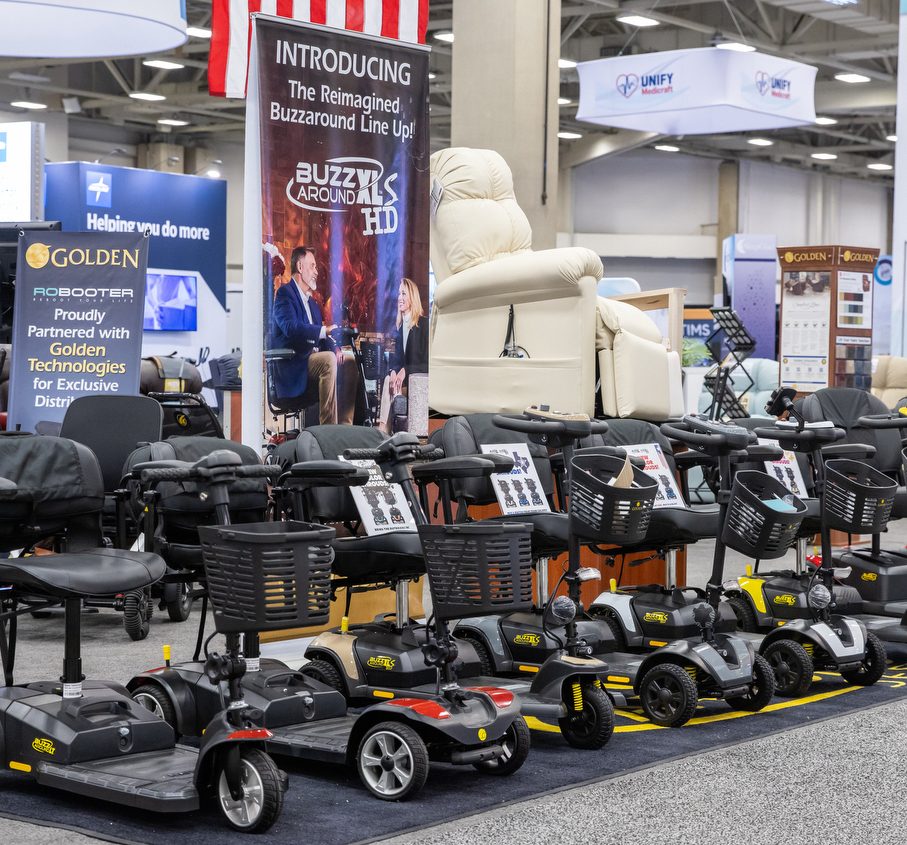 Repairs (and rentals) are a large part of the Mobility City ethos, with service technicians willing to go to patients’ homes and do the repairs—regardless of where the equipment was originally purchased. Rentals and repairs get customers in the door, but that’s not enough.
“The best retail staff members are not just order takers, they are needs assessors,” says Charles J. Copley (C.J.), executive vice president, Sales and Marketing at Golden, a brand carried by Mobility City. “They need to understand the customer’s mobility, home environment, body size, daily routine, caregiver situation, and long-term goals.”
In categories like lift recliners, scooters, power wheelchairs, it comes down to comfort, fit, safety, confidence, and service after the sale—which matters as much as price. Staff members who ask good questions and connect the right products to customers’ real-life needs will usually outperform those who simply talk about features.
Bruce Gehring, senior vice president, Business Development, Allegiance Group, echoes Copley’s focus on assessing needs and supporting wellness. “This wellness philosophy directly applies to retail strategies,” says Gehring. “Many of these solutions do not require a prescription, creating meaningful opportunities for retail cash sales. By aligning retail offerings with the broader wellness goals of aging adults, providers can help patients live safer, healthier, more independent, and more fulfilling lives at home.”
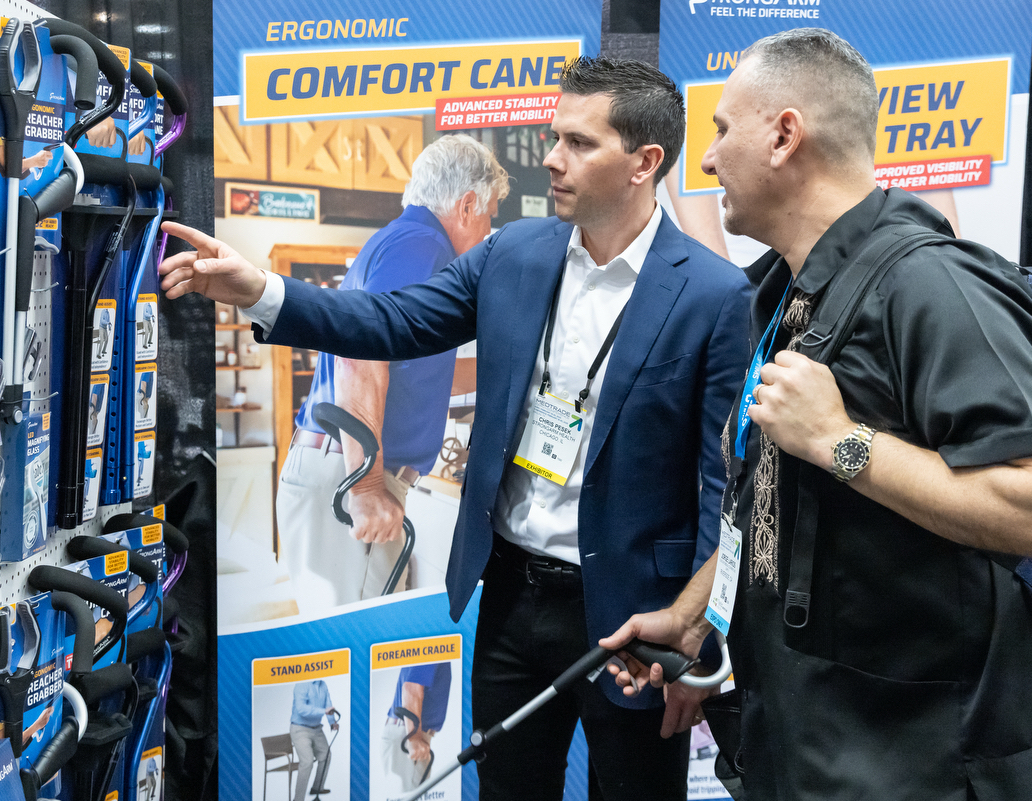 “Everything starts with a cane,” explains Diane Baratta (a frequent attendee at Medtrade). “Then they come in for a walker. They get a walker without a seat, then the next thing you know they need one with a seat. After that they need some type of mobility equipment—a scooter or a power chair. Then sometimes they can’t sleep in standard bed anymore. They might also need a lift chair that lifts them to a standing position and reclines them to a sleeping position.”
Baratta is confident that the much-hyped demographic numbers will lift a lot of standard (Medicare) DME providers, as well as Mobility City. “We are now experiencing the graying of America,” she adds. “People are living longer and they want to still be active. They need quality mobility equipment such as what we carry—specifically Golden, Pride Mobility, and Drive.”
Article is certified HUMAN.