

OLD FORGE, PA – The consensus among many experts is that retail has grown within the HME world, but not as fast as many expected. The main reason is tradition. The HME industry was built on reimbursement, not consumer retail, and that mindset is difficult to retrain.
 Charles J. Copley (C.J.), executive vice president, Sales and Marketing at Golden, points out that a successful retail environment requires merchandising, financing, consultative selling, showroom discipline, follow-up, and staff training. Many providers have spent so much energy managing compliance, billing, and reimbursement that retail has not received the investment it deserves.
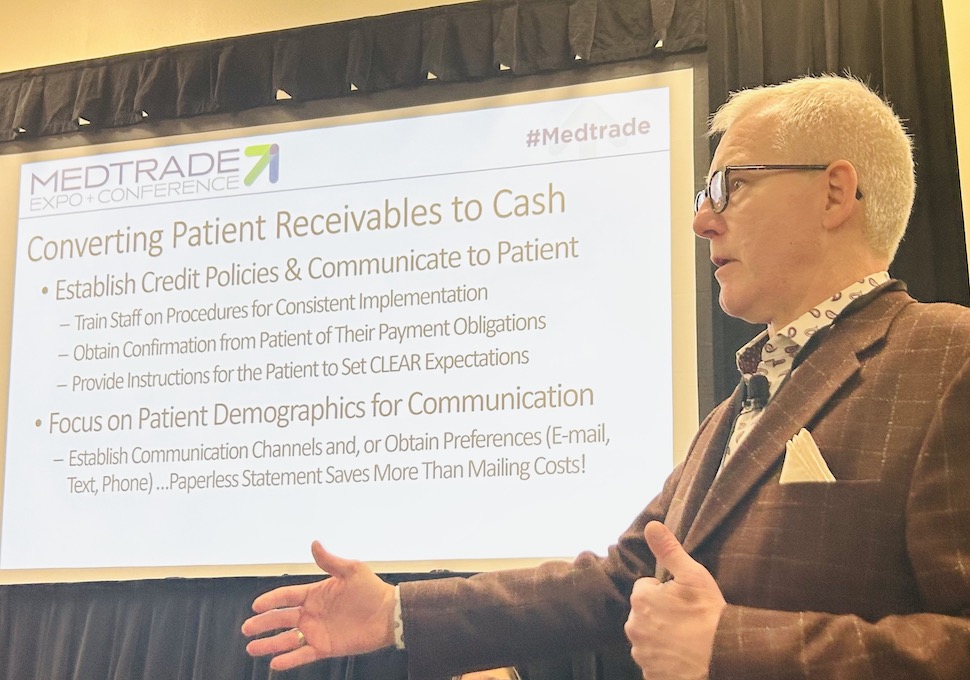
“The best retail staff members are not just order takers, they are needs assessors,” says Copley (pictured at Medtrade). “They need to understand the customer’s mobility, home environment, body size, daily routine, caregiver situation, and long-term goals. In categories like lift recliners, scooters, and power wheelchairs—comfort, fit, safety, confidence, and service after the sale matters as much as price. Staff members who ask good questions and connect the right products to customers’ real-life needs will usually outperform those who simply talk about features.”
Bruce Gehring, senior vice president, Business Development, Allegiance Group, echoes Copley’s focus on assessing needs and supporting wellness. “This wellness philosophy directly applies to retail strategies in the HME industry,” says Gehring (pictured at Medtrade). “It challenges providers to better understand the goals, lifestyles, and quality-of-life needs of the patients they serve—especially those aging in the home.”

 HME providers have an opportunity to support overall wellness through products and services such as those touted by the International Council on Active Aging.
“Many of these solutions do not require a prescription, creating meaningful opportunities for retail cash sales,” Gehring says. “By aligning retail offerings with the broader wellness goals of aging adults, providers can move beyond simply responding to medical needs and instead become trusted partners in helping patients live safer, healthier, more independent, and more fulfilling lives at home.”
Consumers often turn to cash sales because they want immediate solutions. In fact, many retail HME purchases are driven by lifestyle needs rather than strict medical necessity. “In many cases, customers do not want to wait for the reimbursement process,” Copley says. “They don’t want to deal with limitations in coverage or settle for a basic product when they can purchase something that better fits their personal needs and preferences.”
Consumers are becoming more educated and proactive—and more willing to invest in products that help them remain active and independent. Copley explains: “That is especially true in categories like lift recliners, scooters, and power mobility—where comfort, fit, styling, and functionality are highly personal decisions.”
According to Copley, the retail/cash-pay business is a significant and growing part of Golden’s sales. Lift recliners in particular have long been a strong retail category for Golden’s dealers, and mobility products continue to see cash-pay demand as consumers look for comfort, independence, and lifestyle solutions beyond what Medicare may cover.
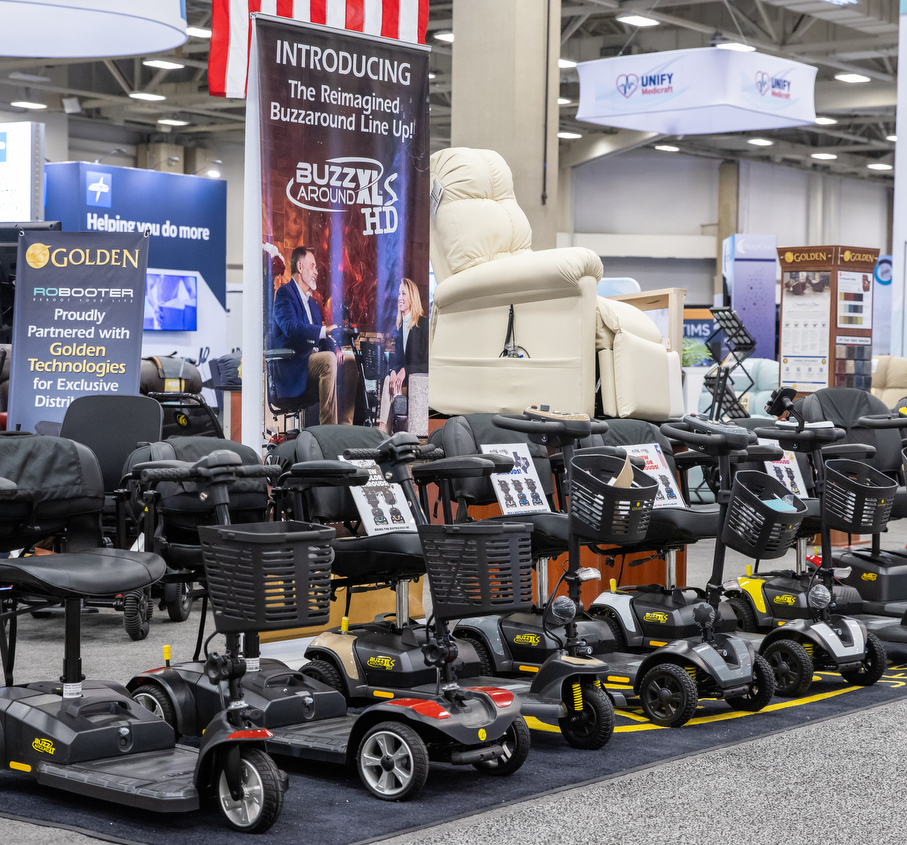 HME providers trying to boost sales skills can look to manufacturers for suggestions and training. “We focus heavily on product knowledge, proper fit, merchandising, showroom presentation, and helping retailers understand how to tell the value story,” Copley confirms. “Golden products are not commodity items. They are comfort, mobility and independence products that are class II medical devices intended to assist those with chronic health issues. Golden has online training courses to help people better understand more about the lift and mobility products.”
Understanding the difference between models and explaining the importance of quality construction, sizing, fabrics, service support, and warranty are all crucial. “The biggest mistake [when selling] is leading with price before establishing value,” Copley warns. “Once the conversation becomes only about price, the retailer has lost control of the sale.”
Article is certified HUMAN.
RELATED: Retail Sales – Antidote to Competitive Bidding – Oct. 3, 2025
RELATED: Andrea Stark: On Getting Paid – May 22, 2025