

CALABASAS, CA – Peak 65 represents the 2024-2027 final wave of baby boomers turning 65 and becoming Medicare-eligible. It’s a consequential demographic for HME providers and industry veterans are looking to capitalize. “The demographic numbers are continuing to rise,” confirms David Siegel, CEO of Nationwide Medical, Calabasas, Calif. “There is plenty of upside, potential, and room to make your business dreams come true.”
The road is relatively open for savvy providers, but what are some of the secrets to success? One consistent theme is specialization; Don’t try to be all things to all people, but instead do a few things really well. For Siegel, CPAP is the primary product category.
Manufacturers have buoyed the CPAP industry by improving the machines and the masks, while new technology monitors patients and allows providers to troubleshoot as needed. All of this improves patient care and taps into the millions who suffer from still undiagnosed obstructive sleep apnea.
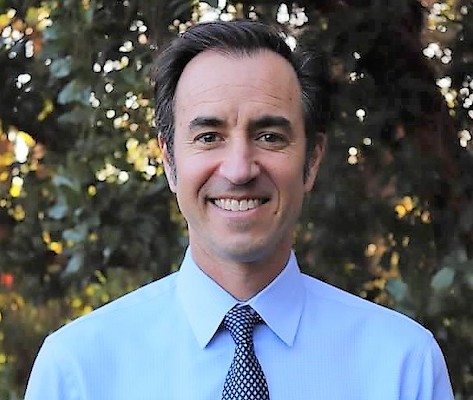 Instead of calling CPAP patients, providers can e-mail, text, or use web portals. “There’s been an influx of technology, such as optical character recognition,” explains Siegel (pictured). “That takes out a lot of the manual labor and repetitive motion of receiving referrals and delivering care.”

Using new tech without sacrificing the human element usually adds up to better workflow, but Siegel is not convinced that working smarter is the ultimate secret for success. “We hear people say you need to work smarter, not harder, but you actually need to do both,” he says with a chuckle. “You actually need to work smarter, be more efficient, and push the limits of technology and efficiency. However, technology does not allow you to coast. To reach your full potential, you need a combination of hard work and smart work.”
Outside Advice and AI
While mask fit has traditionally been a challenge in sleep medicine, recent advancements in manufacturing and fitting technology continue to provide better options. Mark Boardman, founder of Sleep Coaches (a Medtrade exhibitor) consults with HME clients looking to optimize patient care/engagement while maximizing revenue. “By implementing improved fitting processes, we have helped our HME clients reduce mask exchanges to less than 3%,” he says, “while achieving compliance rates of 85% or higher.”
According to Josh Marx, CEO of Cleveland-based Medical Service Company, the largest operational challenges for onboarding new patients on CPAP has to do with coverage determination, payer rules, and connecting with patients to schedule them with clinicians.
“We are using technology to compress the time from order received to when the patient starts sleeping their best,” Marx reveals. “Human elements remain paramount as we determine how and when to engage with patients, personally encourage them to take tomorrow’s appointment vs. two weeks from now—and offer empathetic and in-person support to stick with their therapy. We can’t do it without our team, but we can do it better with technology.”
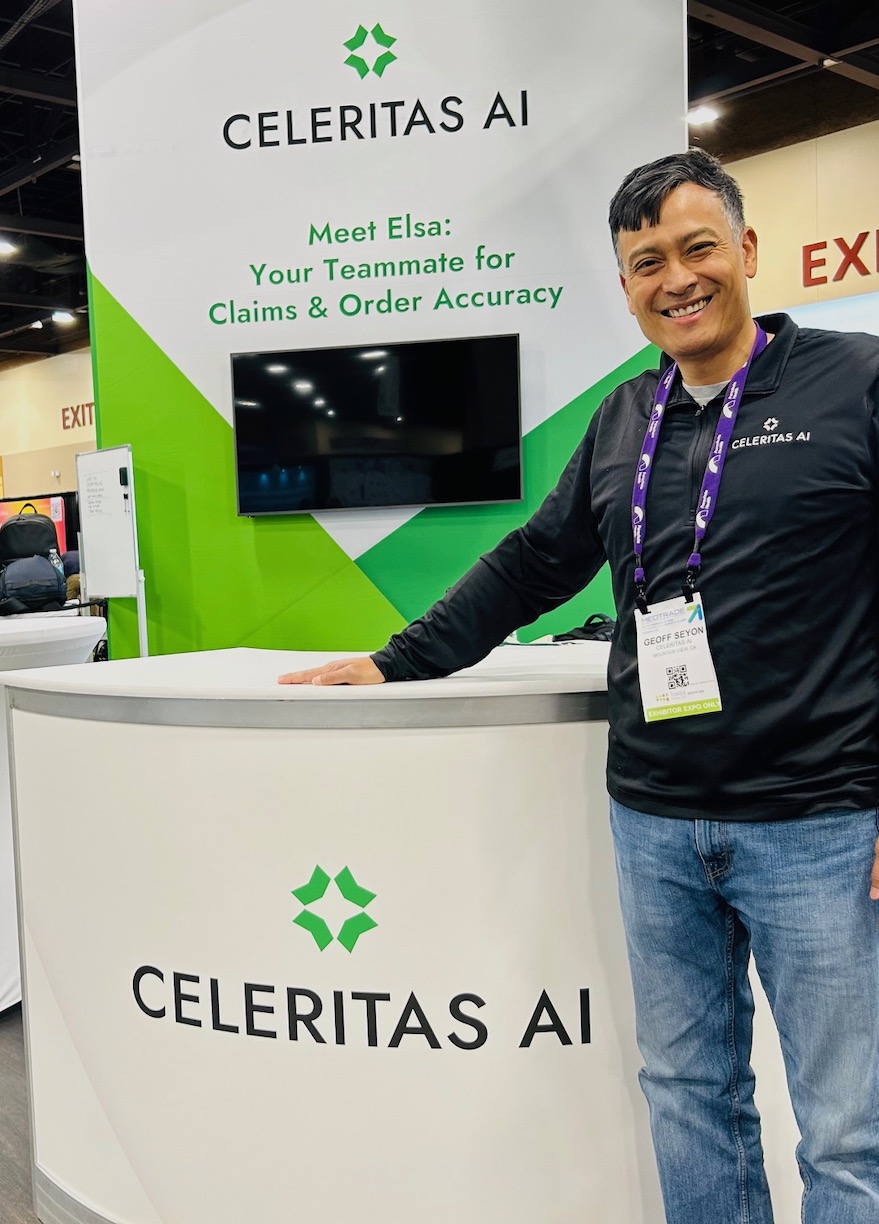 Geoff Seyon, co-founder and CEO of Celeritas AI, Inc. (a Medtrade exhibitor) told Medtrade attendees earlier this year that AI was already delivering operational gains for DME providers. “Elsa Intake [a Celeritas feature] can process up to 150 faxes per hour per human verifier, including complex, multi-page documents that may contain multiple patients, varied document types, and scenarios such as new patient setups, audits, or discharge notices,” Seyon enthused. “Beyond throughput, teams report faster insurance and coverage verification, earlier error detection, and significantly shorter ramp times for new employees.”
In the DMEPOS setting, that often means spending more time supporting patients and caregivers during critical moments, rather than being buried in administrative tasks. At the same time, human oversight remains essential. “Healthcare operations are filled with edge cases, exceptions, and nuanced scenarios that still benefit from human judgment,” Seyon adds. “The most effective model is a partnership: AI handles the heavy lifting at scale, while humans guide, validate, and manage the exceptions.”
Disposable Income
While 11,000-or-so Americans become Medicare-eligible each day, many of these patients are more than willing to part with disposable income for products they want and need. Bolstering the cash side of the shop is possible, but successful retail requires consultative selling, merchandising, financing, showroom discipline, follow-up, and staff training.
 “The best retail staff members are not just order takers, they are needs assessors,” says Charles J. Copley (C.J.), executive vice president, Sales and Marketing at Golden. “In categories like lift recliners, scooters, and power wheelchairs—comfort, fit, safety, confidence, and service after the sale matters as much as price,” he continues. “Staff members who ask good questions and connect the right products to customers’ real-life needs will usually outperform those who simply talk about features.
“In many cases, customers do not want to wait for the reimbursement process,” Copley continues. “They don’t want to deal with limitations in coverage or settle for a basic product when they can purchase something that better fits their personal needs and preferences.”